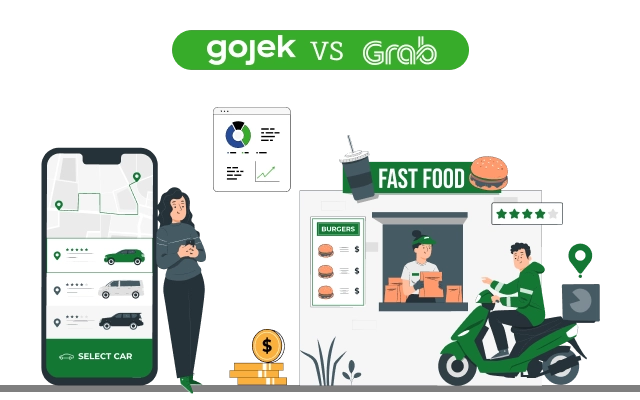


Launching a multi-service app allows entrepreneurs to serve different customer needs through one platform. From taxi booking and food delivery to grocery shopping, courier services, and home maintenance, businesses can offer multiple services through a single app. A ready-made gojek clone solution helps entrepreneurs launch a branded multi-service platform tailored to their business requirements.
However, launching an app is only the first step. Gojek Clone App Monetization involves generating revenue through commissions, delivery fees, subscriptions, sponsored listings, and premium services. Choosing the right earning methods can help cover operating costs, attract service providers, and build a profitable business. In this guide, we explore 10 ways to monetize a Gojek clone app, practical examples of each revenue model, and tips to improve your platform's profitability.
Key Takeaways
- Commissions: Earn a percentage from completed orders and bookings.
- Delivery fees: Charge customers for delivery distance and convenience.
- Subscriptions: Collect recurring payments from participating businesses.
- Paid promotions: Help service providers gain visibility through sponsored listings.
- Premium services: Offer priority bookings and additional customer benefits.
- Dynamic pricing: Adjust eligible service prices according to demand.
- Affiliate partnerships: Earn referral commissions from relevant businesses.
- Profit tracking: Measure revenue, expenses, retention, and margins before expanding.
Build a Super App That Fits Your Business Goals
Want to bring multiple on-demand services under one platform? Talk to our experts about customizing your Gojek clone app for your target market and revenue model.

Gojek Clone App Monetization: 10 Ways to Earn Revenue
Choosing the right Gojek Clone App Monetization strategy is important when building a sustainable multi-service business. Your platform can generate income from customers, service providers, business advertisers, and third-party partners.
The following 10 revenue models can help you create a suitable multi service app revenue model based on your business goals.
1. Commission-Based Earnings
Commission-based earnings are a common way for multi-service platforms to generate revenue. Your business collects an agreed percentage from service providers for every eligible order or booking completed through the app.
For example, suppose a customer places a food order worth $30. If your platform charges a 15% commission on the eligible order amount, you earn $4.50 before expenses.
You can set different commission rates for restaurants, taxi operators, grocery stores, and home-service providers.
How to implement this model:
- Set clear commission rates for each service category.
- Calculate commissions automatically after completed transactions.
- Provide providers with transparent earnings reports.
- Review commission rates based on costs and market demand.
This model is useful because your revenue can grow as completed transactions increase. However, keep rates reasonable so service providers can maintain healthy margins and continue using your platform.
2. Delivery and Convenience Fees
Delivery fees allow your business to earn revenue directly from eligible customer orders. These fees can help cover delivery coordination, customer support, and other operating expenses.
For example, you could charge customers for restaurant deliveries, grocery orders, courier pickups, and local parcel transportation.
Your delivery fee can depend on several factors:
- Distance between pickup and delivery locations.
- Order size or parcel weight.
- Delivery speed and urgency.
- Availability of delivery partners.
- Special handling requirements.
You can also offer free delivery above a minimum order value to encourage customers to place larger orders.
Convenience fees may be applied to selected transactions when your platform provides additional booking or service benefits. Keep these charges separate from other fees and display them before checkout.
Business tip: Compare the fee collected with the actual cost of fulfilling each order. A delivery fee that is too low may reduce margins, while an excessive charge can discourage customers from completing purchases.
3. Subscription Plans for Service Providers
A subscription model creates recurring revenue by charging service providers a fixed amount every month or year. Restaurants, grocery stores, salons, and home-service businesses can pay to access selected platform features.
Instead of relying entirely on commissions, you can offer different subscription plans based on business needs.
Example subscription structure:
- Basic plan: Business listing and standard booking management.
- Professional plan: Advanced reports, promotional tools, and additional management features.
- Premium plan: Enhanced analytics, priority support, and selected business tools.
You can provide a free entry-level plan and charge for advanced features. This approach allows smaller providers to join your platform while giving established businesses more options.
Before launching subscriptions, research what providers are willing to pay for. If your platform cannot generate enough bookings or useful business benefits, providers may not renew their plans.
4. Paid Listings and Sponsored Promotions
Paid listings help businesses improve their visibility within your app. Service providers can pay to promote their profiles, offers, or services in selected sections.
For example, a restaurant might pay to appear in a sponsored section when customers browse nearby food outlets. A cleaning company could promote its services to users searching for home maintenance.
You can generate revenue through:
- Sponsored search results.
- Featured restaurant or store profiles.
- Promotional banners.
- Seasonal offers.
- Paid placement in relevant categories.
This model becomes more attractive when your platform has a steady flow of active users. Businesses are more likely to pay for promotions when they can reach relevant customers and measure results.
Clearly label sponsored content and maintain your usual quality standards. Paid placement should not replace customer ratings, safety checks, or accurate service information.
5. Surge Pricing and Demand-Based Rates
Demand-based pricing allows your platform to adjust prices when service demand changes. It is especially relevant to ride-hailing, courier services, and urgent delivery options.
For example, demand for taxis may increase during rush hour, heavy rain, or major events. Your platform can apply higher rates during eligible periods when available drivers are limited.
Pricing decisions may consider:
- Current demand and provider availability.
- Travel distance and estimated journey time.
- Time of day.
- Selected service type.
- Local operating conditions.
A well-managed pricing system can encourage providers to accept bookings during busy periods and help your business earn more per eligible transaction.
However, higher prices do not automatically mean higher profits. If customers cancel bookings or switch to competitors, the long-term impact may be negative.
Business tip: Display applicable pricing changes before customers confirm their bookings. Set reasonable limits, monitor customer feedback, and follow local pricing laws.
6. Booking and Service Fees
Booking fees provide another way to earn revenue from transactions across your platform. You can charge a fixed amount or a percentage for eligible bookings, depending on the service and the value provided.
For example, customers booking a home cleaning appointment, reserving a taxi, or scheduling a courier pickup may pay a clearly disclosed service fee.
Possible fee structures include:
- A fixed fee per completed booking.
- A percentage-based charge.
- Different fees for different service categories.
- Optional fees for additional booking benefits.
The best structure depends on your customers and operating costs. A small fixed fee may suit lower-value transactions, while a percentage-based fee may work better for some higher-value bookings.
Before introducing a new charge, calculate its impact on conversion rates and repeat bookings. Customers should understand what they are paying for and why the fee applies.
7. Cancellation and No-Show Fees
Cancellations can create costs for service providers who have already accepted a booking, traveled to a location, or started preparing an order. A fair cancellation policy can help recover some of these costs.
For example, if a customer cancels a taxi after the driver has traveled toward the pickup point, your platform may charge a cancellation fee under its published policy.
This model can apply to:
- Taxi and bike bookings.
- Home cleaning appointments.
- Courier pickups.
- Scheduled personal services.
To implement it fairly:
- Explain cancellation rules before booking.
- Set clear cancellation time limits.
- Apply fees only when the stated conditions are met.
- Provide refunds when cancellations qualify under your policy.
- Offer a way to dispute incorrect charges.
Cancellation fees should protect providers from genuine losses rather than become a primary source of revenue. Fair policies can reduce disputes and improve customer trust.
8. Premium Services and Priority Bookings
Premium services allow customers to pay extra for convenience, faster access, or additional benefits. This model works when customers see enough value in an upgrade to justify the price.
For example, your app could offer priority taxi matching, express parcel delivery, scheduled grocery delivery, or premium home-service appointments.
Possible premium options include:
- Priority matching with available providers.
- Express delivery for eligible orders.
- Advance booking and preferred time slots.
- Premium vehicle or service categories.
- Enhanced customer support.
You can charge a separate upgrade fee or include premium benefits in a paid membership plan.
Start with services your operations can deliver consistently. Promising faster bookings without enough drivers or providers can lead to poor reviews, refund requests, and lost customers.
9. Affiliate Partnerships and Referral Commissions
Affiliate partnerships allow your business to earn commissions by referring customers to relevant third-party products or services.
For example, your platform could partner with vehicle maintenance providers, travel companies, or other businesses that complement your main service categories.
When a customer completes an eligible purchase through a tracked referral, your business receives an agreed commission.
You can create partnerships through:
- Referral links and promotional codes.
- Special offers for app users.
- Co-branded campaigns.
- Local business referral agreements.
- Relevant product recommendations.
Choose partners that match your audience and provide genuine value. Disclose paid partnerships and explain relevant terms before customers make a purchase.
Affiliate revenue can supplement your main income streams, but it should not distract users from booking the services they came to your app to find.
10. Paid Business Tools and Analytics
Once your platform attracts regular customers and service providers, you can offer paid business tools that help partners manage and improve their operations.
For example, restaurants may need reports on order patterns, while fleet operators may want information about driver availability, completed rides, and busy periods.
Potential paid features include:
- Sales and booking reports.
- Demand and peak-hour analysis.
- Provider performance dashboards.
- Inventory and order management tools.
- Advanced business analytics.
You can include these features in higher subscription plans or charge separately for advanced access.
Protect customer privacy when using platform data. Use aggregated or appropriately anonymized information, obtain required permissions, and follow applicable data protection laws. Avoid selling personal customer information as a shortcut to earning revenue.
This model works best when your platform has reliable reporting systems and providers who see clear value in the insights.
How to Choose the Right Multi Service App Revenue Model
Not every revenue stream suits every business. Your choice should depend on the services you offer, customer demand, provider expectations, competition, and operating expenses.
| Revenue model | How you earn | Best suited for |
|---|---|---|
| Commissions | Percentage of completed transactions | Most service categories |
| Delivery fees | Charge per delivery or distance | Food, grocery, and courier services |
| Subscriptions | Recurring provider payments | Restaurants and service businesses |
| Sponsored listings | Fees for promotional visibility | Platforms with active users |
| Demand-based pricing | Adjust eligible prices during peak periods | Ride-hailing and urgent delivery |
| Booking fees | Fixed or percentage-based charges | Booking and appointment services |
| Cancellation fees | Eligible charges under a fair policy | Time-sensitive bookings |
| Premium services | Fees for upgrades and priority | Customers seeking extra convenience |
| Affiliate partnerships | Commissions from referrals | Complementary products and services |
| Business tools | Fees for analytics and management features | Established multi-service platforms |
Calculate Your Potential Revenue
Before launching, estimate how much each revenue stream could generate and what it will cost to operate.
Consider this example: your platform processes 1,000 completed orders per month, with an average order value of $20. If you charge a 12% commission on the eligible order amount, your monthly commission revenue is $2,400.
| Metric | Example |
|---|---|
| Monthly completed orders | 1,000 |
| Average order value | $20 |
| Total transaction value | $20,000 |
| Commission rate | 12% |
| Commission revenue | $2,400 |
These figures are illustrative, not a profit forecast. The $2,400 represents commission revenue before expenses. Payment processing, customer support, refunds, promotions, technology, and other costs reduce the amount retained by your business.
Use this formula to estimate profitability:
Net profit = Total revenue − Total operating costs
For a more useful forecast, calculate revenue and expenses separately for each service category. A taxi booking and a grocery delivery may have different transaction values, provider costs, commissions, and refund rates.
You can also consult the U.S. Small Business Administration's business planning resources to understand how market research, financial planning, and cost estimates support business decisions.
Tips to Improve Gojek Clone App Revenue
Selecting revenue models is only one part of building a sustainable business. You must also improve customer retention, service quality, and operating efficiency.
1. Start With High-Demand Services
Launch with a small number of services that match local needs. Expanding into too many categories before building a reliable customer and provider base can increase costs unnecessarily.
2. Keep Pricing Transparent
Clearly display commissions, delivery charges, booking fees, and premium upgrades. Transparent pricing helps customers make informed decisions and reduces unexpected payment disputes.
3. Improve Customer Retention
Offer relevant rewards, a smooth booking process, dependable customer support, and useful promotions. Repeat customers can generate more consistent transaction volume over time.
4. Support Your Service Providers
Make provider registration straightforward and provide useful tools for managing bookings, tracking earnings, and communicating with customers. Providers who earn consistently are more likely to remain active.
5. Track Important Business Metrics
Monitor these key performance indicators:
- Revenue per completed booking.
- Average order or booking value.
- Customer acquisition cost.
- Repeat booking rate.
- Cancellation and refund rate.
- Contribution margin by service category.
Review these metrics regularly to identify which services generate sustainable returns and which need improvement.
6. Understand How Your Platform Works
Revenue collection depends on how your app handles bookings, payments, commissions, and provider payouts. Understanding How Gojek Clone App Works can help you plan how your monetization strategy connects with everyday operations.
For marketplace payment planning, review Stripe's marketplace payment processing guide. It explains how marketplace payment systems can support fee collection, payment routing, and provider payouts.
If your app offers paid digital features or subscriptions through an app store, review the applicable Google Play service fee policies. Requirements and fees depend on the transaction type, region, and applicable program rules.
Get a Custom Quote for Your Gojek Clone App
Planning to invest in a Gojek clone app for your business? Get a free quote based on your preferred services, features, and customization requirements.
Conclusion
Gojek Clone App Monetization gives entrepreneurs several ways to generate income from a single multi-service platform. From transaction commissions and delivery fees to subscriptions, sponsored listings, premium services, and business tools, each method offers different opportunities.
Start with a few revenue streams that fit your target market and core services. Track customer behavior, provider earnings, operating costs, and profit margins before introducing additional charges or expanding your services.
A strong multi service app revenue model should benefit customers, service providers, and your business. Fair pricing, reliable operations, and clear payment policies can help build trust and encourage repeat bookings.
If you plan to launch your own branded platform, explore the Gojek clone solution offered by White Label Fox. Review the available features, customization options, and service modules to determine whether they meet your business requirements.
FAQs
1. How does a Gojek clone app make money?
A Gojek clone app can earn revenue through service commissions, delivery fees, booking charges, subscriptions, sponsored listings, premium services, and affiliate partnerships. The right mix depends on your service categories, customer demand, provider agreements, and operating costs.
2. What is the best monetization model for a Gojek clone app?
Commission-based earnings are a practical starting point for many multi-service apps because revenue grows with completed transactions. Subscriptions can provide recurring income, while delivery fees and premium services can supplement commissions. The best choice depends on your business model and target market.
3. How much commission should a multi-service app charge?
There is no universal commission rate for a multi-service app. Consider the service category, transaction value, provider margins, payment costs, competition, and platform expenses. Test different rates and measure their impact on profitability and provider retention before making changes.
4. Can a Gojek clone app generate recurring revenue?
Yes. A Gojek clone app can generate recurring revenue through monthly or annual subscriptions for service providers, paid management tools, and customer membership plans. These models work best when subscribers receive ongoing benefits that justify the cost.
5. How can I increase the profitability of a Gojek clone app?
Improve profitability by focusing on high-demand services, encouraging repeat bookings, setting fair commissions, and controlling operating expenses. Track customer acquisition costs, refunds, provider payouts, and contribution margins to identify which services deliver sustainable returns.
About Author

Thomas Joe
Thomas Joe is a seasoned app development expert with a knack for problem-solving and a deep understanding of the digital landscape. With a background in both design and development, Thomas brings a unique perspective to his work, blending creativity with technical expertise. Outside of work, he loves mentoring aspiring developers and contributing to the tech community through his blog posts.