


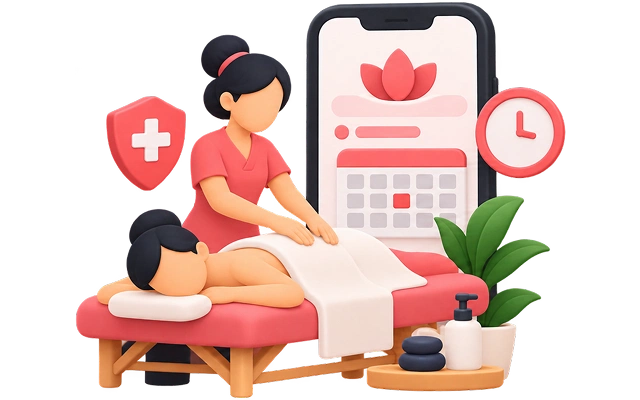
The massage therapy industry is moving towards digital booking, making it easier for customers to find therapists, schedule appointments, and pay for services online. Instead of calling different massage centers or waiting for appointment confirmations, customers now expect a simple way to book their preferred services.
For entrepreneurs planning to enter this market, understanding the right massage booking app features is important before launching a platform. A well-developed application should do more than accept appointments. It should help customers find suitable therapists, allow professionals to manage their schedules, and give business owners control over daily operations.
Businesses looking to launch a platform similar to Uber for Massage can combine appointment scheduling, therapist management, secure payments, and customer communication in one application.
But which features should you include to make your massage booking platform useful and competitive?
Let's explore the essential features, safety options, scheduling tools, and payment capabilities that can help you build a successful massage booking business.
Key Takeaways
- Allow customers to discover massage therapists based on location, services, and ratings.
- Provide flexible appointment scheduling with real-time availability.
- Include therapist verification and customer safety options.
- Support multiple payment methods and automatic booking confirmations.
- Give therapists tools to manage appointments, earnings, and availability.
- Use an admin dashboard to monitor bookings, payments, and platform performance.
Ready to Launch Your Own Massage Booking Platform?
Turn your business idea into a branded massage booking app with advanced scheduling, therapist management, and secure payment features.

1. Essential Customer-Side Massage Booking App Features
The customer application is the main point of interaction between your business and its users. It should make finding massage services and booking appointments simple.
Here are the important features to include.
1. Easy Registration and Login
Customers should be able to create an account without completing lengthy registration steps. A simple onboarding process helps new users access the platform quickly.
Important options include:
- Sign up using email or mobile numbers.
- Social media login options.
- OTP-based account verification.
- Profile creation and editing.
- Password recovery and account management.
You can also allow guest users to browse available services before creating an account.
2. Search and Discover Massage Services
Customers should be able to find suitable massage services without spending time browsing multiple profiles.
Provide search and filtering options based on:
- Massage type and treatment category.
- Therapist location and service area.
- Available appointment times.
- Customer ratings and reviews.
- Service prices and duration.
For example, customers can search for deep tissue massage, Swedish massage, sports massage, or relaxation massage based on their preferences.
3. Therapist Profiles and Information
A detailed therapist profile helps customers understand who will provide their selected service.
Each profile should display:
- Therapist name and profile picture.
- Professional qualifications and experience.
- Available massage services.
- Service charges and session duration.
- Customer ratings and reviews.
- Working hours and service locations.
Displaying relevant professional information helps customers make informed booking decisions.
4. Real-Time Appointment Scheduling
Scheduling is one of the most important massage booking app features because customers need to know when a therapist is available.
Your application should display updated availability and prevent customers from selecting already-booked time slots.
Include options such as:
- Select preferred appointment dates.
- View available time slots.
- Book immediate or future appointments.
- Reschedule existing appointments.
- Cancel bookings based on business policies.
Real-time calendar synchronization can also help therapists avoid overlapping appointments and manage their working hours.
5. Massage Service Selection
Different customers have different massage requirements. Your application should allow them to select services according to their needs.
For example:
- Swedish massage.
- Deep tissue massage.
- Hot stone massage.
- Aromatherapy massage.
- Sports massage.
- Full-body massage.
Display the price, duration, and service description for each option. Customers should also be able to select additional services when available.
6. Location Selection and Service Availability
For businesses offering home massage services, location management is essential.
Customers should be able to enter their address and check whether massage therapists are available in their area.
Useful location features include:
- GPS-based location detection.
- Manual address entry.
- Saved delivery or service addresses.
- Map-based location selection.
- Service area availability checks.
- Directions to the customer's location.
These options help customers book home massage appointments without confusion about service coverage.
7. Secure Online Payments
Customers should have convenient payment options when confirming their appointments. Your platform should support different payment methods based on the target market.
Consider including:
- Credit and debit card payments.
- Digital wallets.
- UPI payments were supported.
- Cash payments, if permitted.
- In-app payment confirmation.
- Automatic payment receipts.
Payment security should also be a priority. Use trusted payment gateways and follow applicable payment security requirements. The PCI Security Standards Council provides guidance on protecting payment card information.
8. Ratings and Customer Reviews
Customer feedback helps new users evaluate massage therapists before confirming appointments.
After completing a session, customers should be able to:
- Rate the therapist.
- Write service reviews.
- Share their booking experience.
- Report service-related concerns.
Reviews also give business owners useful information about service quality and customer satisfaction.
9. Booking Notifications and Reminders
Customers should receive updates throughout the booking process.
Your application can send notifications for:
- Successful booking confirmation.
- Therapist acceptance or rejection.
- Upcoming appointment reminders.
- Booking cancellation or rescheduling.
- Payment confirmation.
- Completed massage sessions.
Push notifications, SMS, and email alerts can keep customers informed without requiring them to check the application repeatedly.
2. Important Therapist-Side Features for Appointment Management
The therapist application should help professionals manage their daily activities, accept bookings, and maintain their service schedules.
Here are the features worth including.
1. Therapist Registration and Verification
Allow massage professionals to register and submit their details through a dedicated application.
The registration process can collect:
- Personal and contact information.
- Professional qualifications.
- Relevant certifications and experience.
- Identity verification documents.
- Service categories and specialization.
- Profile pictures and supporting documents.
The admin should review submitted information before approving therapist accounts. Verification requirements should follow the rules applicable to your operating locations.
2. Availability and Schedule Management
Therapists need control over their working hours and appointment availability.
Provide a calendar where they can:
- Set daily working hours.
- Select available appointment slots.
- Block unavailable dates.
- Manage breaks between sessions.
- Accept or decline booking requests.
- Update their availability status.
These options help therapists organize their schedules while reducing booking conflicts.
3. Booking Request Management
Therapists should receive new appointment requests with all the necessary booking information.
Display details such as:
- Customer name and contact information.
- Selected massage service.
- Appointment date and time.
- Service location.
- Session duration.
- Expected payment amount.
Therapists can accept or reject requests based on their availability and business policies.
4. Navigation and Location Tracking
For home massage services, therapists need accurate location information to reach customers.
Include GPS navigation and map integration to help them locate appointment addresses.
Useful options include:
- View customer locations.
- Get turn-by-turn directions.
- Access appointment details.
- Update arrival status.
- Share relevant trip or arrival updates.
Location-sharing permissions and tracking should be clearly communicated to users.
5. Earnings and Payout Management
Therapists should have a dedicated section to monitor their earnings from completed appointments.
Include:
- Daily and monthly earnings.
- Completed booking payments.
- Platform commission deductions.
- Pending payouts.
- Transaction history.
- Payout request options.
A transparent earnings dashboard helps therapists understand their income and payment status.
6. Customer Communication
Allow therapists to communicate with customers regarding their appointments.
Useful communication tools include:
- In-app chat.
- Masked calling.
- Booking-related messages.
- Appointment status updates.
- Customer support access.
These options help resolve appointment questions while protecting personal contact information where supported.
3. Safety Features Every Massage Booking Platform Should Consider
Safety is an important part of any service-based booking platform, especially when professionals visit customers' homes or provide personal services.
Your application should include features that support customer protection, therapist verification, and responsible service management.
1. Identity and Professional Verification
Verify therapist identities and review their professional qualifications before allowing them to accept appointments.
Depending on local requirements, verification may include:
- Government-issued identification.
- Professional certificates.
- Relevant training documents.
- Background checks where legally permitted.
- Profile and document approval.
Clearly display verified information so customers can make informed decisions.
2. Customer Health Information and Consent
Massage services may not be suitable for every customer or health condition. Provide an optional intake form where customers can share relevant health information before their appointment.
The form may include:
- Relevant medical conditions.
- Known allergies.
- Recent injuries or surgeries.
- Areas they prefer to avoid.
- Pressure and treatment preferences.
- Consent to the selected service.
Therapists should review relevant information before starting a session. The platform should not attempt to diagnose medical conditions or replace professional medical advice.
For additional guidance, Healthdirect's massage therapy guide explains potential risks, precautions, and the importance of discussing health history with a therapist.
3. Emergency Contact and Support
Customers and therapists should have access to assistance when an unexpected situation occurs.
Consider providing:
- Emergency contact details.
- In-app help and support.
- Booking complaint reporting.
- Quick access to local emergency services.
- Appointment details for support teams.
These options create a clear process for reporting safety concerns.
4. Privacy and Secure Information Management
Your platform may collect personal details, addresses, payment information, and health-related information.
Protect this information through:
- Secure account authentication.
- Encrypted data transmission.
- Role-based access permissions.
- Secure document storage.
- Clear privacy policies.
- Appropriate data retention and deletion processes.
Limit access to sensitive customer information to authorized personnel who need it for their work.
5. Hygiene and Service Standards
Customers should feel comfortable knowing that therapists follow appropriate hygiene practices.
Your platform can support service standards through:
- Therapist hygiene guidelines.
- Customer feedback after sessions.
- Service quality checklists.
- Complaint management.
- Periodic profile and document reviews.
The Association of Massage Therapists provides professional practice guidance that includes infection control, hand hygiene, and clean treatment equipment.
4. Admin Panel Features for Managing the Massage Booking Business
The admin panel gives business owners control over the complete platform. It helps manage customers, therapists, bookings, payments, and business activities from one dashboard.
Important admin features include:
1. Customer Management
- View registered customer profiles.
- Update customer account information.
- Monitor booking history.
- Handle customer complaints.
- Manage account restrictions.
2. Therapist Management
- Review therapist registration requests.
- Approve or reject submitted profiles.
- Manage professional documents.
- Monitor therapist activities.
- Handle account-related issues.
3. Booking Management
- View upcoming and completed appointments.
- Monitor ongoing bookings.
- Manage cancellations and refunds.
- Handle scheduling conflicts.
- Assign or reassign therapists when required.
4. Service and Pricing Management
- Add or remove massage categories.
- Configure session durations.
- Set service prices.
- Manage additional services.
- Create location-based pricing rules.
5. Payment and Commission Management
- Track customer payments.
- Configure platform commissions.
- Monitor therapist earnings.
- Manage refunds.
- Review transaction records.
- Process eligible payouts.
6. Reports and Analytics
The admin dashboard should provide useful reports to understand business performance.
Track important metrics such as:
- Total bookings.
- Completed appointments.
- Active customers.
- Registered therapists.
- Total platform revenue.
- Cancellation rates.
- Popular massage services.
These reports help business owners identify customer demand and make better business decisions.
5. Advanced Features to Make Your Massage Booking App More Competitive
Once the essential features are ready, you can introduce advanced capabilities to improve convenience and platform management.
Consider these options:
AI-Based Therapist Recommendations: Suggest suitable therapists based on customer preferences, location, availability, and previous bookings.
Loyalty and Reward Programs: Reward repeat customers with points, discounts, or special offers.
Subscription Packages: Offer monthly or annual massage packages for customers who regularly book sessions.
Referral Programs: Encourage existing customers to invite friends through referral codes and promotional rewards.
Dynamic Pricing: Adjust service prices based on demand, time slots, location, and business rules where appropriate.
Multi-Language Support: Allow customers and therapists to use the application in their preferred supported languages.
Calendar Integration: Synchronize appointments with supported external calendars to make schedule management easier.
Promotional Offers: Create discount codes, seasonal deals, and first-booking offers to attract new customers.
These capabilities can help your platform provide more value while supporting customer retention and business growth.
6. How to Choose the Right Features for Your Massage Booking App?
Not every business needs all available features from the beginning. The right feature set depends on your business model, target customers, and service delivery method.
Here is a practical approach to selecting features.
For a Massage Salon Business
Focus on:
- Appointment scheduling.
- Therapist availability.
- Service and pricing management.
- Customer profiles.
- Online payments.
For an On-Demand Home Massage Business
Focus on:
- GPS-based location services.
- Real-time therapist availability.
- Booking requests.
- Navigation and arrival updates.
- Secure payments.
- Therapist verification and safety tools.
For a Multi-Location Massage Marketplace
Focus on:
- Multiple therapist and business profiles.
- Location-based search.
- Commission management.
- Advanced admin controls.
- Ratings and reviews.
- Performance analytics.
Start with the features necessary to manage bookings and deliver services. You can introduce advanced capabilities as your customer base and business requirements grow.
Businesses planning to launch an On-Demand Uber Massage App For Startup Business can use a ready-made platform as a starting point and customize its features, branding, and business rules according to their requirements.
Plan Your Massage Booking App Within Your Budget
Share your app requirements and receive a customized pricing estimate for launching your own massage booking platform.
Conclusion
Building a successful massage booking platform requires more than adding an appointment calendar and payment gateway. You need a complete system that connects customers with qualified therapists while making daily business operations easier.
Features such as real-time scheduling, therapist verification, secure payments, customer reviews, and admin management help create a reliable booking experience.
The best approach is to start with essential customer, therapist, and admin features before introducing advanced options such as AI recommendations, subscriptions, and loyalty programs.
With the right feature combination, you can launch a massage booking platform that meets customer expectations, supports therapists, and gives your business room to grow.
FAQs
1. What are the most important features of a massage booking app?
The most important features include customer registration, therapist search, service selection, real-time scheduling, online payments, booking notifications, ratings, and reviews. Therapist verification, earnings management, and an admin dashboard are also important for managing daily operations.
2. How does appointment scheduling work in a massage booking app?
Customers select a massage service, choose their preferred therapist, and view available appointment slots. After selecting a date and time, they confirm the booking and complete the payment if required. The therapist receives the request and can accept or decline it based on availability.
3. How can a massage booking app ensure customer safety?
A massage booking app can support customer safety through therapist identity verification, professional document checks, health intake forms, informed consent, secure communication, emergency support, and customer reviews. Businesses should also establish clear service standards and complaint-handling procedures.
4. What payment methods should a massage booking app support?
A massage booking app can support credit and debit cards, digital wallets, UPI payments, and cash payments where permitted. Integrating trusted payment gateways allows customers to pay conveniently while helping businesses manage transactions, refunds, and therapist payouts.
5. Can I launch a massage booking app with customizable features?
Yes. You can launch a massage booking app using a ready-made or white-label solution and customize its features according to your business requirements. You can configure massage categories, pricing, booking rules, payment gateways, branding, and commission settings without developing every component from scratch.
About Author

Sophia Green
Sophia Green is a passionate app developer and tech enthusiast with over a decade of experience in the industry. She specializes in creating innovative solutions that drive business success. When she's not coding, Sophia enjoys exploring the latest trends in technology and sharing her insights through writing. Her goal is to make complex concepts easy to understand for everyone.