

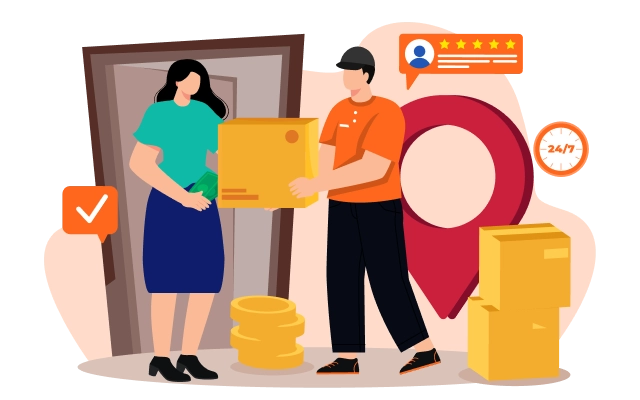
Suppose you must get a package delivered across town. Not tomorrow. Next week. Right now. Perhaps it's an extra laptop charger you owe a coworker, or a gift you remembered too late. Regardless, delay is not an option.
Now, a few years back, your options would have been few.
Old-fashioned courier firms? Too sluggish.
Hailing from a local transport firm? Expensive and generally a hassle.
That's the space Lalamove came into to occupy.
They didn't create another delivery firm. They created a means for normal people and businesses to get things from one place to another fast, without getting bogged down. Open the app, select the size of the vehicle you require, and someone will arrive. Easy.
And this is where it gets interesting: behind that “simple” experience is a business model that looks nothing like old-school logistics companies. That’s what we’re going to unpack here.
What Is Lalamove?
If you’ve never used it, think of Lalamove as an on-demand delivery network. Some people compare it to Uber, except instead of moving passengers, it moves stuff.
It began in Hong Kong in 2013 with one obvious problem to fix: city deliveries were a hassle. The founders thought, "What if we bring people who already have cars together with people who have things that need to be delivered?" That notion took off quickly, first throughout Asia, then into Latin America.
Here's how it works:
- You've got a customer who needs to ship something.
- You've got a driver with a vacant car.
- Lalamove acts as a matchmaker and charges a little commission.
That's it. No frills. But since it's so versatile (motorbikes for little things, vans for mid-size loads, even trucks for big deals), it became ridiculously handy for everyone, college kids relocating apartments to little stores that need same-day shipping.
Build Your Own Lalamove-Clone App
Turn your business idea into reality with a powerful on-demand delivery app. Scalable, customizable, and built to grow just like Lalamove.
The Lalamove’s Core Business Model
Let's get into Lalamove's business model now, because this is where the smartness kicks in.
Rather than having fleets of vans or warehouses (like conventional couriers), Lalamove goes light. They don't own the vehicles. They don't purchase fuel or maintenance. They simply operate the tech platform that keeps things running.
Put it this way:
- Customers need speed and dependability.
- Drivers need constant work.
- Lalamove comes in between, matches the two, and collects a fee.
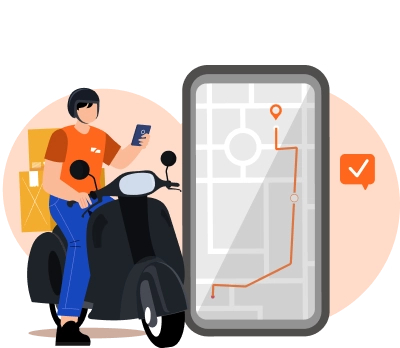
But it's not a one-time gig finder. The app sticks because it simplifies life for both parties. Customers can monitor orders in real time. Drivers are matched with jobs that fit the capacity of their vehicle. Businesses can even book multiple drop-offs in bulk.
So the recipe is simple but powerful:
- Make a pool of drivers with varying vehicles.
- Construct an easy-to-use app to match them with demand.
- Earn a commission on each successful delivery.
That's the entire game. And since it's asset-light, Lalamove can expand into new cities without huge initial investments.
Lalamove Business Revenue Model
The company seems straightforward on the surface: open the app, order a driver, pay a delivery fee. But behind the scenes, there's more than one revenue stream piled on top of each other.
Here's a brief rundown (without the stern "corporate" voice):
Delivery Charges
Customers pay a minimum charge based on distance, vehicle type, and speed.
Surge Pricing
Just like ride-hailing, prices rise when demand is high in cases like heavy rain or festival season.
Business Accounts
Lalamove does not only cater to individuals. Many small stores, cloud kitchens, and even large e-commerce players operate their deliveries under Lalamove's B2B plans, which generate recurring revenues.
Extra Services
Drivers can earn, and Lalamove can charge for large parcel handling, multiple stops, waiting time, or special handling.
Driver Commissions
Each driver pays Lalamove a commission on their fulfilled orders.
So, rather than having a single reliance, the company created a stacked system. Consumers pay for convenience, merchants pay for volume, and riders take a share. That's how the model remains profitable without sacrificing growth.
Why Is Lalamove So Different from Traditional Logistics?
Speed
With couriers, you typically wait a day or two. With Lalamove, you get something delivered in a few hours, sometimes even minutes if the driver happens to be around.
Flexibility
The traditional players tend to concentrate on fixed routes, huge warehouses, and bulk shipments. Lalamove is designed for point-to-point on-demand delivery.
Technology First
Everything is done within the app, including real-time tracking, payments done digitally, and instant support. Older logistics players are still playing catch-up here.
Driver Network
Rather than having a huge fleet, Lalamove leverages ordinary individuals with trucks, vans, and bicycles. That allows it to be scaled up without spending billions on cars.
A Quick Look into Lalamove vs Competitors
Now, Lalamove isn’t alone. It’s fighting in a pretty crowded market. Depending on the region, competitors might look different:
GrabExpress / Gojek
In Southeast Asia, these are big names with super-app ecosystems.
Uber Direct / Uber Freight
In the West, Uber has been pushing delivery logistics too.
Local Players
In India, you’ll see Dunzo, Porter, and Borzo. In China, there’s Dada and Meituan Delivery.
Where Lalamove Wins
It's laser-focused on logistics (not food delivery, rides, and ten other things all at once).
It has a solid presence in Asia and Latin America, where fast and cheap delivery demand is exploding.
Its pricing model is often easier to understand than super-apps that attempt to do "everything."
Challenges
But, let's be fair, it still has challenges. Deep-pocket competitors can price-bust, and governments in some places are increasingly clamping down on gig work regulations.
Pain Points Faced by Lalamove
Regulatory Pressure
Nations have varying regulations on gig work, delivery permits, and insurance. Lalamove typically has to adapt quickly.
Driver Retention
Retaining drivers is also difficult as they are freelancers; if they find higher pay, they will switch immediately.
Price Wars
Competing against giants such as Uber and Grab comes with the price of sometimes having to discount fees, eating into margins.
Customer Expectations
When people want "instant everything," delays, even slight ones, can damage trust quickly.
Expansion Costs
Expanding to new territories costs significant marketing investment, fleet onboarding, and adjusting to local logistics culture.
However, Lalamove has shown well in overcoming these challenges, particularly by remaining lean with tech and assets-light in operations.
Lalamove's Growth Strategy
Growing B2B Partnerships
Rather than just focusing on individuals, they're clinching regular contracts with SMEs, retailers, and e-commerce companies.
Tech-First Approach
Live GPS tracking, transparent pricing, online invoicing, and route optimization set it apart from conventional logistics.
Local Market Customization
Two-wheelers and vans in India, trucks and cargo in Latin America. They don't copy-paste, they adapt.
Marketing Around Speed & Convenience
Their messages and campaigns feature "get it done today," a neat but effective USP.
Growing Driver Base
Increased drivers = reduced wait times. They keep onboarding aggressively in new and current cities.
This combination assists Lalamove in balancing short-term success with long-term brand establishment.
On-Demand Logistics of the Future
AI & Automation
Intelligent route planning, forecasted demand analysis, and potentially even self-driving vehicle alliances down the line.
Sustainability Push
Greener delivery alternatives, such as EV fleets, are increasingly becoming a requirement in city markets.
Deeper B2B Integration
Look for more partnerships with retail chains, food businesses, and even hospitals for same-day deliveries.
Global Expansion
They've already expanded in Asia and Latin America, but Europe and Africa could be the next frontiers.
Customer-Centric Add-Ons
Business subscription plans, user rewards for loyalty, and paid "guaranteed delivery" services could launch soon.
The bigger picture? On-demand delivery isn't letting up. If anything, consumer impatience is on the rise. That makes the next 5 years very exciting for companies like Lalamove.
Conclusion
Lalamove took a basic necessity, moving things fast, and made it a billion-dollar logistics empire. Its business model demonstrates that convenience, scalability, and local-first mentality can upend even the oldest of industries.
With its emphasis on gig economy, asset-light business, and hyperlocal delivery, Lalamove has created a template that numerous logistics startups have attempted to follow. Whether it's assisting a small store to deliver within the vicinity of a few kilometers or facilitating a large corporation to transport cargo across borders, the firm has demonstrated how agile logistics can fuel top lines as well as loyalty.
The real takeaway? Only having good trucks and warehouses cannot make you successful now; you need technology and data, and you need to focus on customer experience. Startups can follow this model by launching a ready-made delivery platform with a gojek clone app, and Lalamove does this well, staying ahead in the game.
White-Label Solutions for Fast Growth
Get a ready-made delivery app with your branding. No coding, no delays. Just a fast track to building your logistics empire.
FAQs
What is Lalamove's business model?
Lalamove works with a low-asset model and does not own delivery vehicles but instead connects drivers and customers through its app, earning revenue through service fees and commissions.
How is Lalamove generating money?
Lalamove generates revenue through delivery charges, driver commissions, priority fees, enterprise delivery solutions, and subscription services for frequent users.
Is Lalamove like Uber?
Yes, but instead of transporting riders, Lalamove focuses on moving goods. Independent drivers accept delivery orders and earn money similarly to ride-hailing platforms.
Can small businesses leverage Lalamove?
Yes. Small businesses use Lalamove to avoid maintaining an in-house delivery fleet, reach more customers, and scale operations cost-effectively.
Can you build an app like Lalamove?
Yes, with a reliable technology partner such as GojekCloneApp, you can launch a custom delivery platform containing all major Lalamove-style features.
About Author

Sophia Green
Sophia Green is a passionate app developer and tech enthusiast with over a decade of experience in the industry. She specializes in creating innovative solutions that drive business success. When she's not coding, Sophia enjoys exploring the latest trends in technology and sharing her insights through writing. Her goal is to make complex concepts easy to understand for everyone.